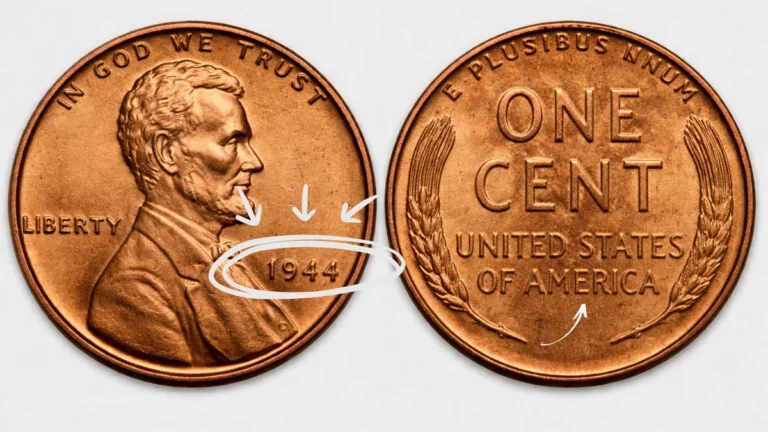
Hidden beneath the worn surface of an old Wheat Penny is a powerful piece of American history. Officially known as the Lincoln Wheat Cent, this coin circulated from 1909 to 1958 and quietly witnessed decades of national change—from industrial expansion to economic hardship and global war.
Even in 2025, collectors remain fascinated by these cents because their value goes far beyond face value. Each coin reflects a blend of history, artistry, rarity, and the excitement of discovery.
A Centennial Coin Honoring Abraham Lincoln
The Wheat Penny was first issued to mark the 100th birthday of President Abraham Lincoln. It made history as the first regularly issued U.S. coin to feature a real person, breaking away from symbolic images of Liberty.
Found In An Old Purse: Rare Lincoln Penny Worth More Than The Handbag Itself
Designed by Victor David Brenner, the obverse shows Lincoln’s profile, while the reverse features two wheat ears, representing agricultural strength and national prosperity.
These pennies were produced in enormous numbers at the Philadelphia, Denver, and San Francisco mints. Their metal composition also tells a story.
Most were struck in copper, but during World War II, copper shortages forced the U.S. Mint to issue the 1943 Wheat Penny in zinc-coated steel, creating one of the most recognizable varieties in American coinage.
What Determines Wheat Penny Value?
The worth of a Lincoln Wheat Cent depends on several critical factors:
The Rare 1776–1976 Bicentennial Quarter That Could Be in Your Pocket
- Condition (Grade): Coins range from heavily worn examples to pristine Mint State pieces.
- Color: Original copper color matters greatly—Red, Red-Brown, and Brown pennies carry different values.
- Rarity: Low mintages and fewer surviving examples increase desirability.
- Mint Marks: Coins from Denver (D) and San Francisco (S) are often scarcer than those from Philadelphia.
- Errors and Varieties: Mistakes such as doubled dies or wrong metal compositions can make a coin exceptionally valuable.
Professional grading services help authenticate coins and assign reliable grades, which is essential for high-value pieces.
From Everyday Finds To Rare Treasures
Most Wheat Pennies from the 1940s and 1950s remain common and usually sell for a few cents to a dollar in circulated condition. These coins are popular among beginners because they are affordable and historically meaningful.
However, certain dates and varieties stand apart. Low-mintage issues, missing mint marks, and dramatic minting errors elevate some pennies into the realm of serious collectibles, often commanding thousands or even hundreds of thousands of dollars.
Key Wheat Pennies Every Collector Should Know
| Year & Mint Mark | Historical Importance & Key Features | Approx. Value (G-4) | Approx. Value (MS-65 Red) |
|---|---|---|---|
| 1909-S VDB | First San Francisco issue with designer’s initials; lowest mintage of the series | $500+ | $75,000 – $150,000+ |
| 1914-D | Very low Denver mintage; rare in high grades | $150+ | $10,000 – $25,000+ |
| 1922 Plain | Denver issue missing the “D” mint mark | $500+ | $15,000 – $30,000+ |
| 1931-S | Low mintage during the Great Depression | $50+ | $1,500 – $3,000+ |
| 1943 Bronze | Rare error struck in copper instead of steel | $50,000+ | $200,000 – $1,000,000+ |
| 1955 Doubled Die | Strong doubling on date and lettering | $1,000+ | $2,000 – $15,000+ |
Values vary based on market demand, condition, and professional verification.
9 Valuable Washington Quarters Worth Up to $50,700: Rare Coins to Watch
How To Preserve And Protect Wheat Pennies
Caring for coins properly helps protect both their history and value. Always handle Wheat Pennies by the edges and inspect them under good lighting.
Never clean a coin, as cleaning almost always reduces its market worth.
For storage, use acid-free holders, inert plastic flips, or certified slabs to prevent environmental damage. Valuable or unusual coins should be professionally graded to ensure authenticity and long-term protection.
Starting And Growing A Wheat Penny Collection
Many collectors begin by searching old jars, inherited collections, or bank rolls. Others aim to complete year-and-mint sets, enjoying the challenge of filling missing dates.
Focusing on coins with original surfaces and strong eye appeal is usually a smart approach.
Using trusted price guides, working with reputable dealers, and participating in coin clubs or auctions can greatly enhance both knowledge and enjoyment of the hobby.
Conclusion: Why Wheat Pennies Still Matter
The Lincoln Wheat Cent remains one of the most beloved U.S. coins because it bridges everyday history with the thrill of rare discovery.
These pennies remind collectors that even the smallest objects can carry immense historical meaning. Whether collected for nostalgia, artistry, or investment, Wheat Pennies continue to inspire curiosity and connection to America’s past—making them timeless treasures in the world of numismatics.
FAQs
Are all Wheat Pennies valuable today?
No. Most common Wheat Pennies are worth only a few cents, but rare dates, mint marks, and errors can be extremely valuable.
How can I tell if my Wheat Penny is rare?
Check the date, mint mark, condition, and look for known errors. Professional grading is the best way to confirm rarity.
Should I clean an old Wheat Penny before selling it?
No. Cleaning almost always lowers a coin’s value and can permanently damage its surface.
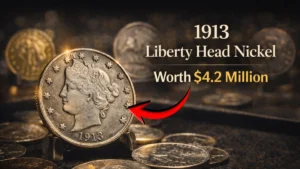
1913 Liberty Head Nickel Worth $4.2 Million – Plus 5 Legendary Rare Coins Collectors Crave
 sva
sva
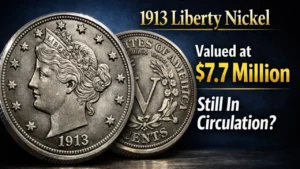
The 1913 Liberty Nickel Valued At $7.7 Million, Still In Circulation
sva
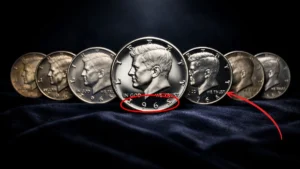
7 Rare Kennedy Half Dollars Every Collector Should Know About
sva
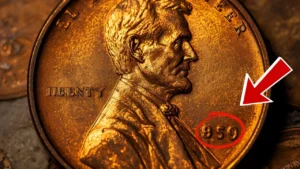
Rare Lincoln Wheat Penny Worth $305k, Still In Circulation
 Mia
Mia
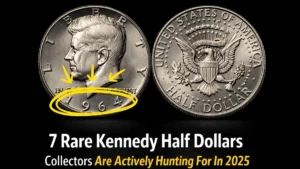
7 Rare Kennedy Half Dollars Collectors Are Actively Hunting For In 2025
Mia
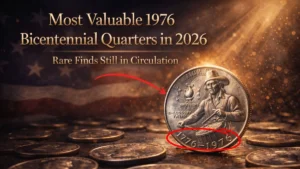
Most Valuable 1976 Bicentennial Quarters in 2026: Rare Finds Still in Circulation
sva