Every child learns in their own way. Understanding your child’s learning style is an essential tool in supporting their education. Children process information in different ways, and recognizing their preferred method of learning can significantly improve their academic performance.
Whether your child excels in traditional classroom settings or struggles to understand concepts, identifying their learning style can help you provide the right support and create an environment that nurtures their strengths.
In this article, we will explore the three primary learning styles—visual, auditory, and kinesthetic—along with tips and strategies that will help you support your child’s unique way of learning. You will also learn how to identify your child’s learning style, implement strategies, and ultimately unlock their full learning potential.

5 Signs Your Child Is Struggling In School – How To Recognize And Help Them
What Is a Learning Style?
A learning style refers to the method through which an individual processes and retains new information. It is a combination of personal preferences, cognitive processes, and habits that influence how a person learns best. Children, like adults, are unique in how they take in and understand information.
There are three main types of learning styles:
- Visual Learners
- Auditory Learners
- Kinesthetic (or Tactile) Learners
By recognizing your child’s learning style, you can make their learning experience more enjoyable and productive.
Types of Learning Styles
Visual Learners
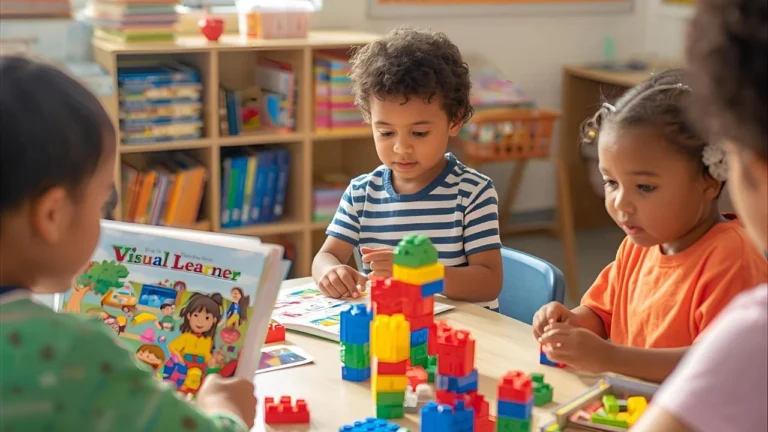
Visual learners are those who learn best when they can see information. These children often find it easier to remember information when it is presented in charts, graphs, or written text. They tend to have strong visual memory and prefer to observe or read instructions rather than listen to them.

How To Support Your Child’s Creativity – A Parent’s Guide To Nurturing Imagination
Characteristics of Visual Learners:
- They remember faces, places, and images well.
- They are drawn to colorful materials and enjoy using flashcards, mind maps, and diagrams.
- They often benefit from seeing demonstrations and visual representations of concepts.
- They may struggle when given only verbal instructions or when trying to absorb information from long texts without visual aids.
How to Support Visual Learners:
- Use visual aids such as flashcards, pictures, charts, and diagrams.
- Encourage your child to create mind maps, drawings, or color-coded notes.
- Watch videos or show presentations to reinforce learning concepts.
Auditory Learners
Auditory learners prefer to learn through hearing. These children absorb information best when they listen to explanations, discussions, and audio materials.
They are more likely to remember details from lectures or conversations and may find it challenging to absorb information from visual-only presentations or written instructions.

Tips For Helping Your Child Succeed In School
Characteristics of Auditory Learners:
- They have excellent recall of spoken words and conversations.
- They often enjoy storytelling, lectures, and listening to discussions.
- They may have difficulty with written instructions and tend to misunderstand visual information without additional auditory context.
- They prefer to explain things verbally and respond well to oral explanations.
How to Support Auditory Learners:
- Read aloud to your child, and encourage them to do the same.
- Use audio resources such as audiobooks, podcasts, and music to enhance learning.
- Engage in conversations or discussions to reinforce learning.
- Use verbal instructions and avoid long periods of silence while learning.
Kinesthetic Learners
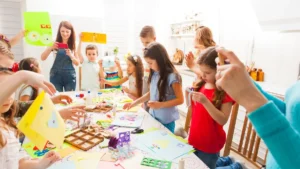
Kinesthetic learners, or tactile learners, prefer hands-on experiences and physical activity. They learn best when they can touch, manipulate, or experience things physically. These children often find it hard to sit still for extended periods and may struggle with traditional classroom settings that require sitting quietly and listening.
Characteristics of Kinesthetic Learners:
- They enjoy learning through action and physical involvement.
- They have a strong sense of muscle memory and may excel in physical activities, like sports or dance.
- They may find it difficult to stay seated for long periods and may become restless during lessons that lack hands-on activities.
- They benefit from activities such as building, creating, and experimenting.
How to Support Kinesthetic Learners:
- Provide hands-on learning activities like experiments, art projects, or building models.
- Allow movement during lessons, such as standing up or using manipulatives.
- Use role-playing or physical demonstrations to teach concepts.
- Encourage physical activities, such as dance, sports, or outdoor games, to reinforce learning.
Identifying Your Child’s Learning Style
Identifying your child’s learning style can significantly improve the way you support them in their education. To identify your child’s learning style, observe how they interact with various types of learning activities.
Take note of how they respond to different teaching methods, such as reading aloud, watching demonstrations, or engaging in hands-on tasks.
Signs of a Visual Learner:
- Prefers to watch a demonstration before attempting a task.
- Is drawn to visual materials like pictures, charts, or maps.
- Enjoys coloring, drawing, or creating mind maps to organize information.
Signs of an Auditory Learner:
- Enjoys listening to discussions and storytelling.
- Can recall information heard in conversations or lectures.
- Prefers verbal explanations over written instructions.
Signs of a Kinesthetic Learner:
- Struggles to sit still and prefers to move around while learning.
- Enjoys hands-on activities like drawing, building, or experimenting.
- Prefers learning through real-life experiences rather than passive activities.
Once you have identified your child’s primary learning style, you can tailor their learning environment and activities to suit their needs.
Supporting Your Child’s Learning Style
By understanding your child’s learning style, you can create a learning environment that caters to their strengths and preferences. Below is a table summarizing key strategies for each learning style.
Strategies to Support Visual Learners:
- Use diagrams, charts, and color-coded notes.
- Provide visual aids like flashcards and mind maps.
- Show videos or use presentations to reinforce key concepts.
Strategies to Support Auditory Learners:
- Read aloud to your child and encourage them to repeat instructions.
- Use podcasts, music, and audiobooks to introduce new concepts.
- Have discussions or group conversations to reinforce learning.
Strategies to Support Kinesthetic Learners:
- Incorporate physical activities, like hands-on experiments or building projects.
- Use role-playing and interactive demonstrations to teach concepts.
- Allow frequent breaks for movement during study sessions.
Learning Styles and Academic Success
Understanding your child’s learning style can have a profound impact on their academic success. By using methods that align with their natural way of learning, children are more likely to retain information, build confidence, and perform better in school.
For example, visual learners may excel in subjects that use diagrams, graphs, and written materials, while auditory learners may thrive in subjects that involve listening, discussing, and verbalizing concepts.
Additionally, kinesthetic learners often perform best when they can physically engage with the material, making subjects like science or art particularly appealing to them. By providing appropriate support, children can engage with their studies in a way that best suits their needs, leading to improved academic outcomes.
Understanding your child’s learning style is a crucial step in helping them reach their full academic potential. Whether your child is a visual, auditory, or kinesthetic learner, providing the right support and learning environment will help them excel.
By identifying their strengths and using tailored strategies, you can ensure that your child receives an education that suits their unique learning needs, fostering confidence, curiosity, and success in all their academic endeavors.
FAQs
How do I identify my child’s learning style?
Observe how your child reacts to different learning activities. Visual learners prefer seeing information, auditory learners learn best by listening, and kinesthetic learners prefer hands-on activities.
Can my child have more than one learning style?
Yes, many children exhibit a combination of learning styles. One style may be dominant, but it’s common for children to show traits of multiple learning styles.
How can I help my child if they struggle with learning?
If your child struggles, try adapting their learning environment to match their learning style. Use visual aids for visual learners, audio resources for auditory learners, and hands-on activities for kinesthetic learners.