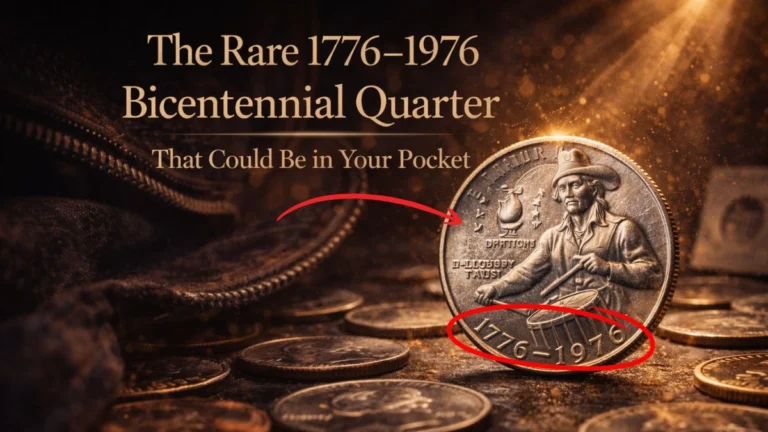
The 1776–1976 Bicentennial Quarter is much more than routine pocket change. Issued to commemorate the 200th anniversary of American independence, this special quarter is instantly recognizable for its dual date and distinctive patriotic imagery.
Unlike standard quarters, it features “1776–1976” alongside George Washington’s portrait on the obverse, while the reverse highlights a colonial drummer, symbolizing the Revolutionary War spirit and the nation’s fight for freedom.
Many people still have these quarters tucked away in jars, drawers, or wallets, often without realizing that some versions may be worth more than face value.
Found In An Old Purse: Rare Lincoln Penny Worth More Than The Handbag Itself
While the majority were produced for everyday use and remain common today, certain varieties, error coins, and well-preserved examples are highly desirable to collectors. Knowing what separates an average coin from a valuable one can uncover a surprising find.
Historical Background and Design Significance
The Bicentennial Quarter was part of a broader commemorative coin initiative celebrating the United States’ bicentennial. This program also introduced redesigned half dollars and dollar coins, all emphasizing national heritage and pride. The quarter’s reverse design was chosen through a nationwide competition, reinforcing public involvement in honoring American history.
Although the obverse continued the familiar Washington portrait that has appeared on quarters since 1932, the reverse broke tradition by replacing the eagle with a colonial drummer in motion. This imagery reflects unity, determination, and the rallying call of the Revolutionary era. The bold dual date, “1776–1976,” firmly ties the coin to the nation’s founding milestone.
Production took place at the Philadelphia, Denver, and San Francisco Mints. Most circulating examples were struck in copper-nickel, while limited collector editions—primarily from San Francisco—were made with 40% silver, making them especially attractive to numismatists.
9 Valuable Washington Quarters Worth Up to $50,700: Rare Coins to Watch
Circulation, Scarcity, and What Makes Them Valuable
Even though more than a billion Bicentennial Quarters were minted, scarcity depends on condition, metal composition, and unusual features. Heavily circulated coins are easy to find, but uncirculated pieces, proof strikes, and silver versions are significantly less common. Coins graded MS65 or higher by professional services often bring premium prices.
Silver Bicentennial Quarters are particularly prized due to their limited runs and precious metal content. In addition, minting errors—including doubled dies, off-center strikes, or planchet flaws—can dramatically increase a coin’s value. These errors may not be obvious at first glance, which is why careful inspection is important.
How to Spot a Valuable Bicentennial Quarter
Start by checking the mint mark, located on the obverse near Washington’s ponytail:
- No mint mark: Philadelphia
- “D”: Denver
- “S”: San Francisco
Next, assess the coin’s condition. Quarters with sharp details, minimal wear, and original luster are more desirable. A magnifying glass can help identify subtle errors or fine design details that influence value.
1913 Liberty Head Nickel Worth $4.2 Million – Plus 5 Legendary Rare Coins Collectors Crave
For accurate evaluation, collectors often consult trusted coin dealers or professional grading services. Storing coins in protective holders is essential to maintain their condition and long-term worth.
Collecting Appeal and Investment Outlook
Bicentennial Quarters are popular not only for their historical meaning but also for their collecting and investment potential. High-grade examples, silver editions, and rare error coins have shown consistent demand over time. While not every quarter will become a major investment, selective collecting can yield appreciation.
Beyond financial considerations, these coins offer educational value, providing insight into American history, minting techniques, and numismatic design. Many collectors enjoy the thrill of discovering a noteworthy coin in everyday circulation, turning a simple hobby into a rewarding experience.
Bicentennial Quarter Mintage Overview
| Mint Location | Circulation Coins | Silver Collector Coins | Key Features |
|---|---|---|---|
| Philadelphia (No mark) | 615 million | 7.5 million | Most common circulation coins; select error varieties valuable |
| Denver (D) | 625 million | 7.5 million | High-grade examples favored by collectors |
| San Francisco (S) | 0 | 7.5 million | Proof and silver editions; highly collectible |
The 1776–1976 Bicentennial Quarter remains a lasting symbol of America’s bicentennial celebration, blending patriotic artwork with enduring collector interest.
While most examples are still common, silver issues, error coins, and high-grade specimens can hold meaningful value. By paying attention to mint marks, condition, and rarity factors, collectors can better identify coins worth preserving.
Whether admired for historical importance or collected for potential returns, the Bicentennial Quarter continues to captivate enthusiasts across the country. What seems like ordinary change today could be a tangible piece of American history—and possibly a valuable collectible.
FAQs
Are all Bicentennial Quarters valuable?
No. Most circulated examples are common, but silver editions, error coins, and high-grade pieces can be worth more.
How can I tell if my quarter is silver?
Check for an “S” mint mark and a heavier feel; silver versions were mainly produced for collectors.
Is professional grading necessary?
For potentially valuable coins, professional grading helps confirm authenticity, condition, and market value.
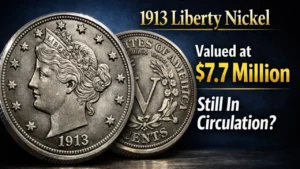
The 1913 Liberty Nickel Valued At $7.7 Million, Still In Circulation
 sva
sva
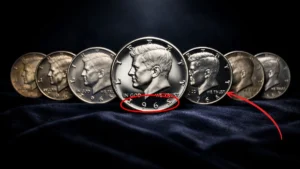
7 Rare Kennedy Half Dollars Every Collector Should Know About
sva
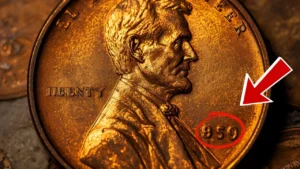
Rare Lincoln Wheat Penny Worth $305k, Still In Circulation
 Mia
Mia
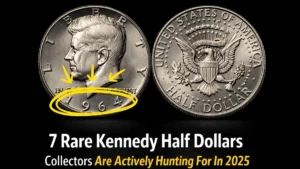
7 Rare Kennedy Half Dollars Collectors Are Actively Hunting For In 2025
Mia
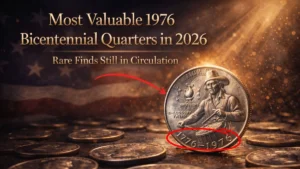
Most Valuable 1976 Bicentennial Quarters in 2026: Rare Finds Still in Circulation
sva
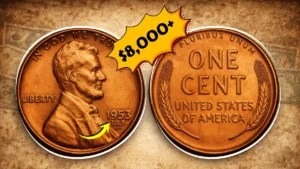
1953 Wheat Penny Value Guide: How to Identify Rare Coins Worth Serious Money
Mia