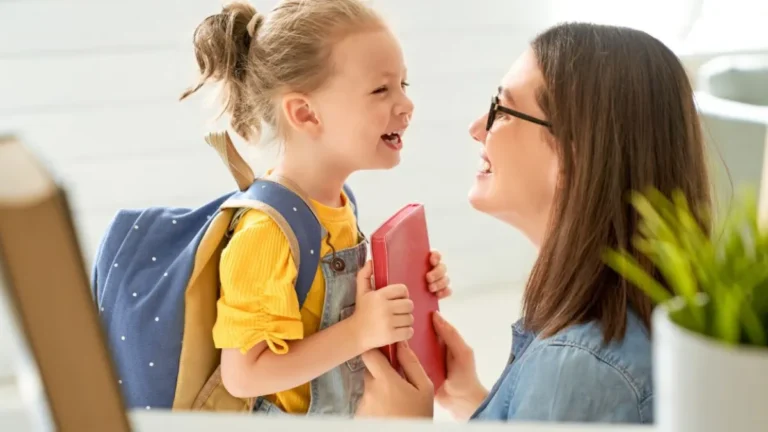
Positive reinforcement is a powerful tool in parenting that focuses on encouraging desirable behaviors through rewards and praise.
Parenting is one of the most challenging and rewarding journeys a person can take. Every parent wants their child to grow up well-adjusted, confident, and respectful.
Positive reinforcement plays a crucial role in shaping a child’s behavior and promoting a healthy emotional and psychological environment at home.

Signs Your Child Might Need a Therapist
By focusing on rewarding good behavior, rather than punishing bad behavior, parents can create a supportive atmosphere where children feel valued, motivated, and encouraged to make positive choices.
In this article, we will explore the power of positive reinforcement in parenting, its benefits, and how parents can effectively implement it in their daily lives.
What Is Positive Reinforcement In Parenting?
Positive reinforcement is a concept derived from behavioral psychology that involves rewarding a behavior to encourage it to happen again.
In parenting, it means acknowledging and rewarding your child’s positive actions, such as kindness, sharing, or good manners, to increase the likelihood of those behaviors being repeated. This reward can take many forms, from verbal praise to tangible rewards like a sticker or extra playtime.

How to Build Your Child’s Confidence at Every Age
The Benefits Of Positive Reinforcement In Parenting
- Boosts Self-Esteem
When children are positively reinforced, they start to feel good about themselves. They understand that their actions have a positive impact, which builds their confidence. Over time, this can help them develop a strong sense of self-worth and inner motivation. - Promotes Positive Behavior
Instead of focusing on what your child is doing wrong, positive reinforcement helps you emphasize and reward what they are doing right. This encourages children to repeat those behaviors because they associate them with positive outcomes, such as praise or rewards. - Strengthens Parent-Child Relationships
When parents use positive reinforcement, they foster a loving and supportive relationship with their children. Children learn to trust their parents more, and the bond between them becomes stronger, which is essential for healthy emotional development. - Encourages Good Habits
Positive reinforcement can help children form good habits that will stay with them throughout their lives. Whether it’s making their bed, cleaning up after themselves, or finishing homework on time, rewarding these actions can help establish lifelong routines and responsibilities. - Creates a Positive Learning Environment
When children know that their efforts will be rewarded, they are more likely to engage in tasks and challenges. Positive reinforcement creates a positive environment where children feel motivated to learn, try new things, and build resilience.
Types Of Positive Reinforcement
Positive reinforcement comes in different forms, and it’s essential to find the right type that works best for your child. Here are a few methods:
- Verbal Praise
One of the simplest and most effective ways to reinforce positive behavior is through verbal praise. Complimenting your child with words like, “Great job!” or “I’m so proud of you!” reinforces their actions and makes them feel appreciated. - Tangible Rewards
Offering tangible rewards like stickers, extra screen time, or a small treat can be effective, especially for younger children. These rewards provide immediate gratification and help children associate positive behavior with something enjoyable. - Quality Time
Spending one-on-one time with your child can be a powerful form of reinforcement. Whether it’s playing their favorite game or simply talking, children feel valued when they receive their parent’s full attention. - Tokens or Reward Charts
For older children, using a reward chart or token system can work well. They can collect tokens or stickers for completing tasks and redeem them for a larger reward, such as a special outing or a favorite activity.
How To Use Positive Reinforcement Effectively?
- Be Consistent
Consistency is key when using positive reinforcement. Children thrive on routine and structure, and if they receive praise or rewards inconsistently, it can confuse them. Make sure to consistently reinforce positive behavior, so your child knows exactly what actions are being encouraged. - Timing is Crucial
To reinforce a behavior effectively, you must reward it immediately after the behavior occurs. This helps children connect the positive reinforcement directly with the action. For example, if your child shares a toy with a sibling, praise them immediately to make the connection clear. - Make Rewards Appropriate
Ensure that the rewards are appropriate for the behavior being reinforced. Small actions might deserve simple praise, while bigger accomplishments, like learning a new skill, could merit more significant rewards. - Focus on Effort, Not Just Results
It’s important to praise effort, not just results. For example, if your child works hard on a school project, praise their dedication and persistence, even if the outcome isn’t perfect. This helps foster a growth mindset, where children learn to value hard work over just achieving success. - Avoid Over-Reinforcing
While it’s important to reinforce good behavior, over-reinforcing can lead to entitlement. If every small action is rewarded, your child may expect rewards for everything, diminishing the value of the reinforcement. Balance the frequency and intensity of rewards based on the behavior’s importance.
Common Mistakes In Positive Reinforcement
- Rewarding Negative Behavior
Sometimes, parents unknowingly reinforce negative behavior, such as whining or complaining, by giving in to their child’s demands. Be mindful of the behaviors you are reinforcing and ensure you are rewarding positive actions only. - Over-Reinforcing Small Actions
While positive reinforcement is essential, rewarding every little action can lead to diminished returns. Instead, focus on reinforcing behaviors that are most important for your child’s growth and development. - Inconsistency
Inconsistent use of positive reinforcement can confuse your child and hinder the learning process. Stick to a consistent approach to reinforce behaviors regularly and effectively.
Positive reinforcement is a powerful parenting tool that can help your child grow into a confident, motivated, and responsible individual. By focusing on rewarding good behavior, parents can foster a positive environment where children feel loved and valued.
The key to successful positive reinforcement lies in consistency, appropriate rewards, and focusing on effort rather than just outcomes.
When implemented correctly, positive reinforcement can lead to lasting positive changes in your child’s behavior and emotional development.

Encouraging Empathy In Children: Why It Matters
FAQs
What is positive reinforcement in parenting?
Positive reinforcement involves rewarding good behavior to encourage it to happen again. It helps children develop healthy habits and boosts self-esteem.
How does positive reinforcement benefit my child?
It boosts self-esteem, encourages good behavior, strengthens parent-child relationships, and promotes positive learning environments.
What are some examples of positive reinforcement?
Examples include verbal praise, tangible rewards like stickers, spending quality time, or using a reward chart.

How To Help Your Child Overcome Anxiety
 Mia
Mia

Balancing Work And Parenting: Tips For Busy Moms And Dads
Mia

10 Creative Ways To Bond With Your Kids
 sva
sva

How To Raise Resilient Children- Key Parenting Tips
sva

Why Routine Is Important For Kids’ Development
sva

How To Discipline Your Child Without Punishment
sva