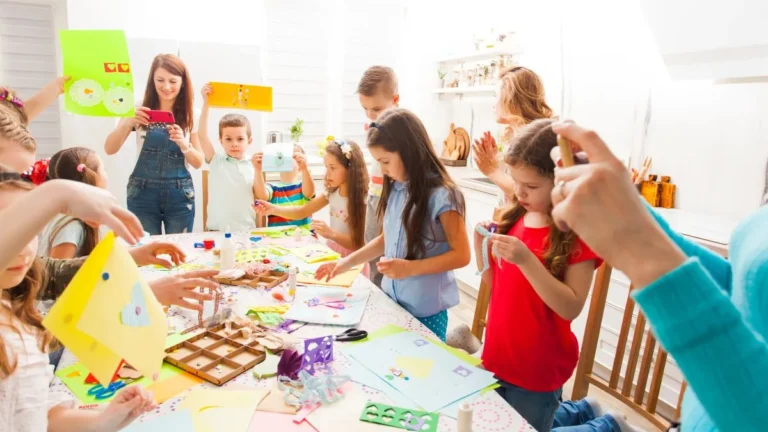
Learning doesn’t have to be boring. In today’s fast-changing world, educators, parents, and researchers agree that making learning fun for kids transforms education from a task into an exciting adventure.
Fun learning not only enhances academic performance but also skyrockets motivation, curiosity, creativity, and social skills. Modern methods focus on interactive teaching, game-based strategies, movement, and real-world relevance, making education a joyful experience rather than a chore.
This comprehensive guide dives deep into the latest strategies supported by research and statistics, giving you actionable ways to help children enjoy learning — whether at home, in school, or through digital platforms.

5 Signs Your Child Is Struggling In School – How To Recognize And Help Them
What Does “Fun Learning” Mean?
Fun learning refers to educational activities that actively engage children’s interest and curiosity, blending play with purposeful knowledge acquisition.
It goes beyond rote memorization to encourage exploration, games, collaboration, and creativity — all while helping kids internalize key concepts.
According to recent research, 91% of learners value fun in learning, and gamified approaches improve engagement and knowledge retention significantly.
Why Making Learning Fun Matters
Fun learning is not just about entertainment — it delivers measurable benefits:

How To Support Your Child’s Creativity – A Parent’s Guide To Nurturing Imagination
- Improved Engagement: Students pay closer attention and participate actively when lessons are enjoyable.
- Better Retention: Enjoyable activities help children remember information longer.
- Increased Creativity: Activities that emphasize creativity boost confidence in 92% of children.
- Motivation and Curiosity: Curiosity fuels deeper learning and makes education feel meaningful.
- Enhanced Social Skills: Group activities and games support collaboration and communication.
Kids learn more effectively when they feel excited and challenged — not overwhelmed.
Core Elements of Fun Learning
| Element | What It Means | Benefits |
|---|---|---|
| Games & Gamification | Using game design and play to teach academic content | Increases engagement and retention |
| Hands-On Activities | Experiments, crafts, and real manipulation | Boosts understanding and practical skills |
| Movement & Physical Activity | Integrating movement into lessons | Enhances memory and cognitive function |
| Storytelling & Play | Using narratives and imaginative play | Sparks creativity and social development |
| Technology & Interactive Tools | Apps, digital games, adaptive platforms | Makes complex subjects engaging |
Practical Ways to Make Learning Fun
1. Turn Learning Into Games
Why It Works: Games create challenge and reward structures that naturally motivate kids. Whether it’s math bingo, spelling relays, or quiz competitions, turning lessons into play helps students stay engaged and retain more.
How to Implement:
- Use educational board games like Scrabble to build vocabulary.
- Create mini-competitions with points and badges.
- Use gamified apps that reward progress.
2. Harness Hands-On Activities
Kids learn best by doing rather than just listening. Hands-on tasks — from building models to conducting science experiments — make lessons tangible and memorable.
Discover Your Child’s Learning Style – Tips For Parents And Educators
Examples:
- DIY science projects
- Math activities using manipulatives (blocks, beads)
- Art and craft integration for language or history lessons
3. Incorporate Movement
Movement isn’t just for recess — it enhances learning. Integrating physical activity into lessons (like action-based counting or movement games) boosts engagement and improves cognitive processes.
Suggestions:
- “Move to Answer” where kids move to different corners representing multiple-choice answers
- Short dance breaks between activities
4. Storytelling and Imagination
Narratives and role play help kids connect emotionally and mentally with content. Whether reading interactive stories or acting out historical scenarios, storytelling fosters deep understanding and empathy.
Try This:
- Create character diaries for historical figures
- Let kids build stories around scientific concepts
5. Collaborative and Social Learning
Children learn effectively from peers. Group projects, discussions, and cooperative games promote communication and teach teamwork.
Works Well For:
- Group experiments
- Shared problem-solving activities
- Team challenges in class
6. Technology and Educational Platforms
Smart use of technology can turn screen time into learning time. Platforms that blend education with play are popular among modern parents and educators, with some reaching millions of users worldwide.
Best Practices:
- Use safe, ad-free learning apps
- Balance screen time with real-world activities
7. Outdoor and Real-World Learning
Bringing education outside the classroom makes learning real and inspiring. Whether exploring nature or applying math in cooking, real-world contexts help kids see the value of their lessons.
Examples:
- Nature scavenger hunts
- Grocery store math challenges
Tips for Different Age Groups
| Age Group | Fun Learning Strategies |
|---|---|
| Preschoolers (3–5) | Building blocks, simple games, circle time activities |
| Elementary (6–10) | Science experiments, board games, role play |
| Tweens (11–13) | Group debates, tech projects, storytelling and presentations |
Adapting activities to age and ability ensures that learning remains challenging yet fun.
Making learning fun for kids is a powerful way to foster curiosity, strengthen skills, and inspire lifelong learners. From game-based lessons and hands-on projects to movement breaks and storytelling, there are countless strategies that make education exciting and memorable.
When children enjoy their learning journey, they are more motivated, confident, and prepared for future challenges. Implementing these approaches at home and in the classroom can transform the educational experience into something kids look forward to every day.
FAQs
How does fun learning help children academically?
Fun learning increases engagement, enhances retention, and motivates students to participate actively in lessons.
What are easy games to start with at home?
Math bingo, spelling relays, scavenger hunts, and puzzle games are excellent starters for playful education.
Is technology good for fun learning?
Yes — when used appropriately, educational apps and interactive platforms can make learning engaging and effective.