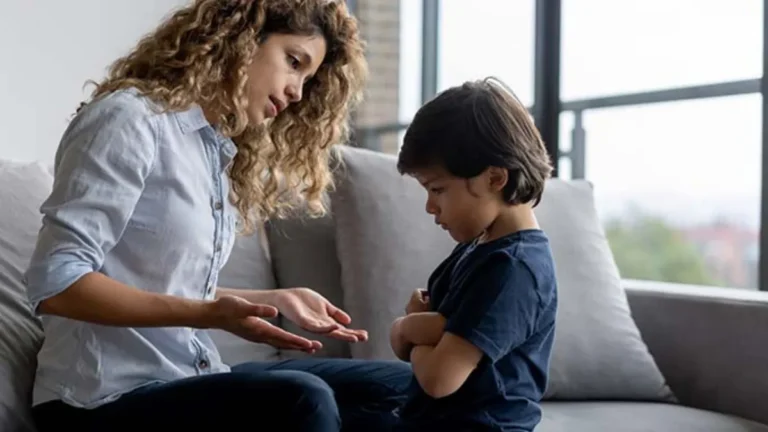
Anxiety can be a difficult and overwhelming feeling, especially for children. It can manifest in various ways, such as fear of school, separation anxiety, social situations, or even physical symptoms like headaches and stomachaches.
As a parent, it’s essential to recognize when your child is struggling with anxiety and take proactive steps to help them manage and overcome it. In this article, we will explore some effective strategies for supporting your child in dealing with anxiety.
Understanding Childhood Anxiety
Anxiety is a natural response to stress, but for children, it can sometimes become overwhelming and interfere with their daily life.

Signs Your Child Might Need a Therapist
Childhood anxiety can be triggered by various factors such as changes in their environment, social pressures, or personal experiences like bullying or a family move. Understanding what anxiety looks like in children is the first step in addressing it.
Signs Of Anxiety In Children
The signs of anxiety can vary from child to child, but some common indicators include:
- Physical Symptoms: Complaints of stomachaches, headaches, or dizziness without a clear medical cause.
- Behavioral Changes: Withdrawal from social activities, difficulty sleeping, or frequent crying.
- Excessive Worrying: Constantly expressing fears or anxieties about events that may seem trivial to others.
- Avoidance: Refusing to attend school or participate in activities due to fear.
If your child is exhibiting these signs regularly, it may be an indication that they are struggling with anxiety.
Effective Strategies To Help Your Child Overcome Anxiety
As a parent, you play a crucial role in helping your child manage their anxiety. Here are several strategies you can try:

How to Build Your Child’s Confidence at Every Age
1. Open Communication
One of the most important ways to help your child overcome anxiety is by creating a safe space for them to talk about their feelings.
Encourage your child to express their worries and listen attentively. Avoid dismissing their feelings, even if they seem small or irrational. Let them know that it’s okay to feel anxious and that you’re there to support them.
Tip: Ask open-ended questions like, “What’s been on your mind lately?” or “How are you feeling about school today?” to help your child open up.
2. Teach Relaxation Techniques
Teaching your child relaxation techniques can be incredibly effective in reducing anxiety. Techniques such as deep breathing, progressive muscle relaxation, and mindfulness can help calm their nerves and manage stress.

Encouraging Empathy In Children: Why It Matters
Deep Breathing Exercise:
- Have your child take a deep breath in for a count of 4, hold it for 4 seconds, then breathe out slowly for a count of 4. Repeat this for several breaths until they feel more relaxed.
Progressive Muscle Relaxation:
- Guide your child through tensing and relaxing different muscle groups, starting from their toes and moving up to their head. This helps release physical tension caused by anxiety.
3. Establish A Routine
Anxiety can often stem from feeling uncertain or out of control. By establishing a predictable routine, you can help your child feel more secure. Set consistent times for meals, homework, and bedtime to help them know what to expect each day.
Tip: Keep a visual schedule or calendar that your child can refer to so they know what activities are coming up. This can reduce feelings of uncertainty and help them mentally prepare.
4. Encourage Gradual Exposure
Sometimes, avoiding situations that trigger anxiety can make it worse over time. Gradual exposure is a technique where you slowly introduce your child to the things that make them anxious, starting with less intimidating situations and gradually working up to more challenging ones.
For example, if your child is anxious about going to school, start by visiting the school on weekends when it’s less crowded. Over time, you can increase the exposure by going during school hours or by taking short trips to the classroom.
Tip: Use positive reinforcement to celebrate small victories, such as going to school or staying calm in a stressful situation.
5. Model Calm Behavior
Children often mirror the emotions and behaviors of their parents. By modeling calmness and healthy coping strategies when you feel anxious, you can teach your child how to handle anxiety effectively.
Tip: Share your own coping mechanisms with your child, such as how you take deep breaths when stressed or how you take breaks to clear your mind.
6. Limit Exposure To Stressful Media
In today’s digital world, children can be exposed to media that may heighten their anxiety, such as news stories, social media, or violent TV shows.
Be mindful of what your child is watching and listening to, especially before bedtime. Instead, encourage activities that promote relaxation, such as reading a book or doing a puzzle.
Tip: Set screen-time limits, particularly on devices, to ensure your child is not overwhelmed by media that may trigger anxiety.
7. Seek Professional Help If Needed
If your child’s anxiety continues to interfere with their daily life, seeking professional help is an important step. A therapist or counselor who specializes in child anxiety can provide additional strategies and tools for coping.
Cognitive-behavioral therapy (CBT) is an effective treatment for childhood anxiety, helping children reframe negative thoughts and develop healthier coping mechanisms.
Tip: Don’t hesitate to reach out for support when necessary. A professional can guide you and your child through the process of overcoming anxiety.
Helping your child overcome anxiety requires patience, understanding, and a proactive approach. By using open communication, teaching relaxation techniques, and providing a supportive environment, you can empower your child to manage their anxiety in a healthy way.
Remember, it’s important to celebrate small victories and seek professional help when needed. Together, you and your child can work through the challenges of anxiety and build a foundation of confidence and resilience.
FAQs
How can I tell if my child is experiencing anxiety?
Signs of anxiety in children include physical complaints (stomachaches, headaches), avoidance of certain situations (school or social events), and excessive worry or fear.
What can I do to calm my child during an anxiety attack?
Use deep breathing exercises, encourage your child to relax their muscles, and offer comforting words to help them feel safe and supported.
Is it normal for children to experience anxiety?
Yes, anxiety is a normal part of childhood development. However, if anxiety is interfering with daily life, it may require additional support.
The Power Of Positive Reinforcement In Parenting
 Mia
Mia

Balancing Work And Parenting: Tips For Busy Moms And Dads
Mia

10 Creative Ways To Bond With Your Kids
 sva
sva

How To Raise Resilient Children- Key Parenting Tips
sva

Why Routine Is Important For Kids’ Development
sva

How To Discipline Your Child Without Punishment
sva