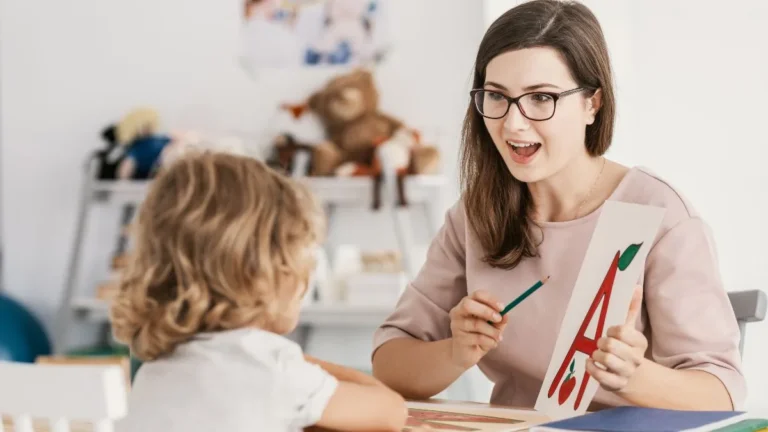
When children struggle emotionally or behaviorally, parents often question whether these challenges are temporary phases or signs of deeper issues that require professional support. Understanding when a child might need a therapist is crucial for early intervention, better outcomes, and long-term well-being.
Childhood mental health concerns are not rare — nearly 1 in 5 children ages 3 to 17 has been diagnosed with a mental, emotional, or behavioral condition at some point, underscoring how common these issues can be for families worldwide.
This comprehensive article will explore key signs your child might need a therapist, backed by the latest research, expert guidance, and clinical indicators. Parents, caregivers, and educators alike should be aware of both emotional and behavioral signals that may point to underlying mental health challenges.

How to Build Your Child’s Confidence at Every Age
What Is Childhood Mental Health and Why It Matters
Childhood mental health refers to how a child thinks, feels, and behaves and how well they are able to function at home, in school, and socially. Mental health conditions include disorders such as anxiety, depression, behavior disorders, and emotional dysregulation — and they can affect learning, relationships, emotional regulation, and daily functioning.
Mental health concerns in children may emerge as persistent changes in behavior, moods, social interactions, sleep patterns, or academic performance. While children naturally go through developmental phases, severe or prolonged symptoms that interfere with daily life may require professional evaluation.
Key Indicators Your Child May Need a Therapist
| Category | Behaviors / Symptoms | What It May Indicate |
|---|---|---|
| Emotional Symptoms | Persistent sadness, frequent crying, irritability | Depression, anxiety, emotional dysregulation |
| Behavioral Changes | Defiance, aggression, frequent tantrums | Conduct issues, stress responses |
| Social Signals | Withdrawal, loss of interest in friends | Social anxiety, depression, low self-esteem |
| Cognitive / Academic | Trouble focusing, sudden decline in grades | Underlying anxiety, ADHD, stress |
| Physical Signs | Appetite changes, sleep disturbances, headaches | Stress, anxiety, somatic responses |
| Risk Behaviors | Self-harm, talk of suicide, reckless acts | Serious emotional distress requiring urgent help |
1. Persistent Emotional Changes
One of the most noticeable signs that a child might benefit from therapy is persistent emotional changes that last longer than typical developmental fluctuations.
Common Emotional Indicators
- Persistent sadness or tearfulness that doesn’t improve.
- Frequent mood swings or intense emotional outbursts.
- Excessive worry or fear that interferes with daily activities.
These symptoms can be associated with conditions like anxiety and depression — problems that often don’t resolve without professional support.

Encouraging Empathy In Children: Why It Matters
2. Significant Behavioral Shifts
Behavior that is outside a child’s normal range and persists over time can be a red flag.
Behavioral Signs to Watch
- Extreme irritability or aggressiveness toward others.
- Frequent defiance or hostility that disrupts daily life.
- Regression to earlier behaviors (e.g., bed-wetting in older children).
Behavior changes like these can reflect difficulty in emotional regulation or coping and may signal deeper concerns.
3. Withdrawal From Social and Family Activities
Children struggling emotionally may withdraw from social interaction, losing interest in friends, activities, and family time.
What Withdrawal Might Suggest
- Social anxiety or fear of peer judgment.
- Loss of enjoyment in once-loved activities.
- Isolation related to depression or emotional distress.
Not participating in typical social activities can negatively impact emotional and social development if not addressed.

How To Help Your Child Overcome Anxiety
4. Academic and Cognitive Challenges
Sometimes emotional challenges manifest as declines in school performance or trouble focusing.
Signs in School
- Difficulty concentrating or finishing schoolwork.
- Sudden drop in grades without a clear cause.
- Lack of motivation or frequent absences.
These signs may reflect anxiety, attention concerns, or internal struggles that benefit from professional evaluation.
5. Changes in Sleep, Appetite, or Physical Complaints
Emotional distress often shows up through physical symptoms that don’t have a medical explanation. Persistent sleep problems, eating changes, or recurring headaches or stomachaches could be linked to stress and anxiety rather than purely physical issues.
Patterns to Watch For
- Sleeping too much, too little, or nightmares.
- Significant weight loss or gain.
- Frequent physical complaints without medical cause.
6. Risky or Harmful Behaviors
Any sign of self-harm, suicidal ideation, or severe risk-taking should be treated urgently. These behaviors indicate high levels of emotional distress and often require immediate support from a qualified mental health professional.
Immediate Concerns Include
- Talking about self-harm or suicide.
- Engaging in dangerous or reckless behaviors.
- Expressions of hopelessness or worthlessness.
These are severe symptoms that should prompt quick action.
7. Difficulty Expressing Emotions or Communicating Feelings
Children may not always have the vocabulary to describe their emotional experiences. Difficulty communicating feelings or expressing distress can signal deeper underlying issues that therapy can help uncover and manage.
Communicative Challenges
- Unable or unwilling to discuss feelings.
- Somatic complaints used instead of verbal expression.
- Persistent frustration in expressing needs or emotions.
This can occur even when the child doesn’t outwardly act out, making a therapist’s support particularly valuable.
What Happens in Child Therapy?
Therapy for children is tailored to their developmental stage and needs. Different approaches may be used:
- Play Therapy: Uses play to help children express emotions.
- Cognitive-Behavioral Therapy (CBT): Helps with thinking patterns linked to anxiety and depression.
- Family Therapy: Involves caregivers to improve communication and coping strategies.
- Art or Expressive Therapy: Allows children to communicate through creative mediums.
Therapists help children build coping skills, regulate emotions, improve communication, and work through challenges they might not understand on their own.
When to Seek Immediate Help
If a child shows any signs of self-harm, suicidal thoughts, or behaviors that put them in danger, immediate evaluation by a health professional or emergency services is essential.
Recognizing when a child might benefit from a therapist isn’t always simple — but understanding the emotional, behavioral, physical, and academic warning signs is the first step toward helping them thrive.
Early intervention can make a significant difference, preventing long-term challenges and improving overall mental health and well-being.
If you observe persistent changes that interfere with your child’s daily life, seeking professional guidance can set them on a path toward resilience and healthy emotional development.
FAQs
How do I know if my child’s behavior is a phase or a real concern?
While developmental ups and downs are normal, behaviors that persist, worsen, or interfere with daily life — social functioning, school, and family interactions — suggest the need for evaluation by a professional.
At what age should I consider therapy for my child?
Children of any age can benefit from therapy if they exhibit symptoms that affect functioning. Early childhood therapy focuses on play and observational methods, while older children can engage more directly in talk therapy.
Can therapy help with school-related anxiety?
Yes. Professional therapy, especially CBT and behavior-based interventions, can significantly help children manage school-related anxiety, improve coping skills, and enhance academic performance.

The Power Of Positive Reinforcement In Parenting
 Mia
Mia

Balancing Work And Parenting: Tips For Busy Moms And Dads
Mia

10 Creative Ways To Bond With Your Kids
 sva
sva

How To Raise Resilient Children- Key Parenting Tips
sva

Why Routine Is Important For Kids’ Development
sva

How To Discipline Your Child Without Punishment
sva