
As a parent, one of your most significant goals is to ensure that your child succeeds in school. You want them to perform well academically, but you also want them to develop positive learning habits that will serve them throughout life.
However, the school years can be challenging, and many parents struggle with how best to guide their children through these years. Whether it’s improving study habits, building emotional resilience, or fostering a love for learning, there are several strategies you can employ to help your child thrive.
This guide will provide you with practical, actionable tips to help your child succeed in school. We will cover everything from fostering a positive learning environment to creating a structured routine and setting realistic academic goals.

5 Signs Your Child Is Struggling In School – How To Recognize And Help Them
By following these tips, you can give your child the tools they need to perform their best and enjoy the learning process.
1. Foster a Positive Attitude Toward Learning
A positive attitude toward learning is one of the most important factors in academic success. When children enjoy learning, they are more likely to engage with their studies and persist through challenges. The foundation for this attitude starts at home.
Encourage Curiosity
Children are naturally curious, and encouraging this curiosity can be a game-changer for their learning. Instead of focusing solely on grades or outcomes, engage with your child’s interests.
Ask open-ended questions that promote exploration. Whether it’s through books, documentaries, or visits to museums, introducing your child to a variety of topics will stimulate their imagination and encourage them to learn for the sake of learning.

How To Support Your Child’s Creativity – A Parent’s Guide To Nurturing Imagination
Praise Effort, Not Just Results
While it’s natural to praise your child when they achieve good grades, focusing solely on results can lead to a fixed mindset. Instead, praise their effort and dedication.
Research shows that children who are praised for their hard work and persistence are more likely to tackle challenging tasks and persist even when they face setbacks. Help them understand that learning is a process, and mistakes are part of that journey.
2. Create a Structured Routine
Children thrive on structure and routine. Having a set daily schedule helps them feel secure and know what to expect. A well-planned routine also promotes discipline, responsibility, and time management—skills that will help Child Succeed in school and beyond.
Set Regular Study Times
Make studying a non-negotiable part of the daily routine. Set aside a specific time each day for homework and studying, ideally at the same time each day.
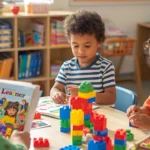
Discover Your Child’s Learning Style – Tips For Parents And Educators
This consistency helps your child understand that studying is an important part of their day, and it allows them to develop good time-management skills. Be sure to include breaks during study sessions to avoid burnout and ensure they remain focused.
Ensure Adequate Sleep
Sleep is essential for brain function and overall health. It is crucial for your child to get enough sleep to perform well academically. Sleep helps improve memory, concentration, and emotional regulation—all of which are critical for learning.
Set a consistent bedtime routine, and ensure your child gets an adequate amount of sleep each night, typically 9-11 hours for children depending on their age.
3. Develop Strong Study Habits
Good study habits are the key to academic success. Without strong study habits, children may struggle to retain information, manage their time, and stay on top of assignments. Help your child develop habits that will set them up for success in school and beyond.
Create a Distraction-Free Study Space
One of the most important things you can do is provide a dedicated, quiet study space for your child. This area should be free from distractions like television, video games, or loud noises.
A distraction-free environment helps your child concentrate and focus on the task at hand. Ensure the study space is well-lit, organized, and equipped with all the materials your child needs to work.
Use Active Learning Techniques
Active learning is an approach where the student actively engages with the material rather than passively reading or listening. Encourage your child to use techniques such as summarizing information, taking notes, using flashcards, or teaching the material to someone else.
These active learning strategies improve retention and comprehension, helping your child better understand the content they are studying.
4. Provide Emotional Support and Encouragement
Academic success is not just about memorizing facts—it’s also about emotional well-being. When children feel supported emotionally, they are more likely to engage with their schoolwork and persevere through challenges. Emotional support also helps children build resilience, which is essential for handling setbacks and stress.
Listen and Offer Encouragement
It’s important to listen to your child’s concerns about school, whether they’re feeling overwhelmed with homework or struggling with a particular subject.
Let them know you are there to support them, and provide positive encouragement. Reassure them that setbacks are a normal part of the learning process and that mistakes are opportunities to grow.
Teach Resilience
Teaching your child how to handle failure and setbacks is one of the best gifts you can give them. Resilience—the ability to bounce back from challenges—helps children navigate the ups and downs of school life. Encourage your child to view mistakes as learning opportunities, and show them that it’s okay to ask for help when needed.
5. Set Realistic Goals and Celebrate Achievements
Setting goals is an essential part of academic success. When children have clear objectives, they are more likely to stay motivated and focused. However, it’s important to set realistic and achievable goals that align with their abilities.
Break Down Large Goals into Manageable Steps
Large goals can be overwhelming for children. Instead of setting one big goal, break it down into smaller, more manageable steps. For example, if your child is struggling with a particular subject, set a goal to improve their grades by a certain percentage over a set period.
This not only makes the goal feel more attainable, but it also allows your child to experience success along the way.
Celebrate Achievements
Celebrating milestones—whether big or small—helps keep your child motivated. Whether it’s completing a challenging assignment or improving a test score, celebrate your child’s achievements in a meaningful way.
This could be as simple as verbal praise, a special treat, or a fun family outing. Positive reinforcement boosts your child’s confidence and encourages them to keep striving for success.
6. Foster Communication with Teachers and School Staff
Building a strong relationship with your child’s teachers and school staff can be incredibly beneficial. Teachers can offer valuable insight into your child’s progress and provide suggestions for areas that need improvement.
Attend Parent-Teacher Conferences
Parent-teacher conferences are a great opportunity to discuss your child’s academic performance and behavior. Use this time to ask questions and share any concerns you may have. Teachers can provide tips and resources to help your child succeed. This is also an opportunity to discuss any learning challenges your child may be facing.
Stay Involved
Stay involved in your child’s education by regularly communicating with teachers and school staff. Whether it’s through emails, phone calls, or attending school events, maintaining an open line of communication helps ensure that your child is on the right track and that you are aware of any potential issues early on.
7. Encourage Extracurricular Activities
While academics are important, extracurricular activities can also play a significant role in your child’s development. Activities such as sports, music, and clubs help children develop important life skills such as teamwork, time management, and leadership.
Find Activities They Enjoy
Encourage your child to participate in activities they enjoy, whether it’s playing a sport, joining a music group, or participating in a school club. Engaging in extracurricular activities allows children to explore new interests, build confidence, and develop skills that can complement their academic success.
8. Provide a Balanced Diet and Stay Active
Physical health plays a significant role in cognitive function. A well-balanced diet and regular physical activity can help your child perform better in school by improving their focus, energy levels, and overall well-being.
Encourage Healthy Eating Habits
A healthy diet is essential for brain function. Encourage your child to eat a variety of foods that support brain health, such as fruits, vegetables, whole grains, and lean proteins. Avoid processed foods and sugary snacks, which can lead to energy crashes and difficulty concentrating.
Get Moving
Physical activity is not only good for your child’s health but also helps improve their mood and concentration. Encourage them to participate in activities they enjoy, whether it’s playing sports, swimming, or simply going for a walk. Regular exercise is proven to enhance cognitive function and reduce stress.
Key Strategies for Academic Success
| Strategy | Description | Benefits |
|---|---|---|
| Positive Attitude Toward Learning | Encourage curiosity, praise effort, not just results | Promotes a love of learning, enhances motivation |
| Structured Routine | Set study times, ensure adequate sleep | Improves time-management, reduces stress |
| Strong Study Habits | Create distraction-free space, use active learning | Increases focus, boosts memory retention |
| Emotional Support | Listen, encourage, teach resilience | Enhances confidence, reduces anxiety |
| Goal Setting | Set achievable goals, celebrate achievements | Keeps child motivated, boosts self-esteem |
| Teacher Communication | Attend conferences, stay involved | Provides support and feedback |
| Extracurricular Activities | Encourage hobbies or sports | Develops well-rounded skills, boosts confidence |
| Balanced Diet and Activity | Promote healthy eating and physical activity | Improves overall health and cognitive function |
How to Help Your Child Succeed in School
Helping your child succeed in school involves more than just providing academic support. It’s about fostering a love for learning, building resilience, and creating a balanced environment where your child can thrive.
By following the strategies outlined in this guide, you can help your child develop the skills, mindset, and habits needed to excel in school and beyond. Remember, your support and encouragement play a crucial role in their academic journey, and with the right approach, you can help them reach their full potential.
FAQs
How can I motivate my child to enjoy studying?
Encourage a positive attitude by praising effort, providing a distraction-free study area, and incorporating activities your child enjoys into their routine.
What if my child struggles with a specific subject?
Work with your child’s teacher to identify areas of difficulty. Consider hiring a tutor or using online resources to provide additional support.
How important are extracurricular activities for my child’s success?
Extracurricular activities help children develop crucial skills like teamwork, leadership, and time management, all of which can contribute to academic success.