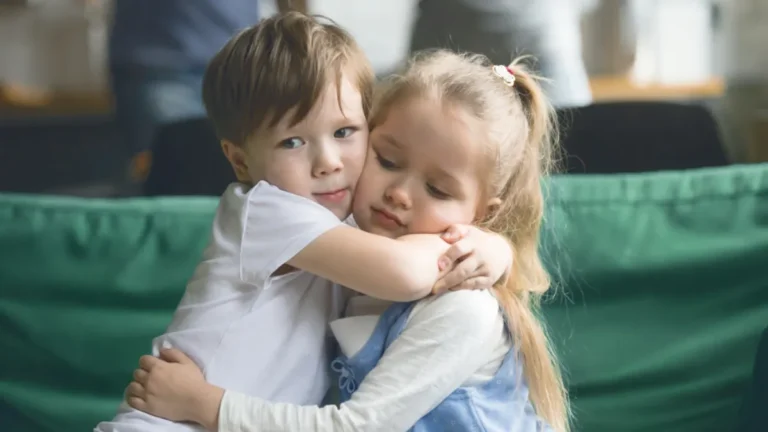
Empathy is the ability to understand and share the feelings of others. It is a skill that plays a vital role in the development of healthy relationships, social skills, and emotional well-being.
Teaching children empathy from an early age can set the foundation for them to become compassionate, understanding, and emotionally intelligent adults.
As parents, caregivers, and educators, we play an essential role in shaping how children perceive and interact with the world and the people around them.

Signs Your Child Might Need a Therapist
In this article, we’ll explore why empathy is important for children, the benefits it provides, and how we can encourage empathy in children through everyday actions and conversations.
Why Empathy Matters For Children
- Strengthens Relationships
Empathy helps children build strong relationships with their peers, family members, and teachers. When children can understand the feelings of others, they can respond in supportive and thoughtful ways. This understanding fosters trust and kindness, creating a positive social environment where children feel valued and supported. - Promotes Emotional Intelligence
Children with high emotional intelligence (EQ) are better equipped to manage their emotions and navigate social situations. Empathy is a key component of EQ because it allows children to recognize their own emotions while also understanding how others may feel. By encouraging empathy, children learn how to regulate their emotions and respond appropriately to the emotions of others. - Reduces Bullying and Conflict
Empathy helps reduce negative behaviors such as bullying and aggression. Children who are empathetic are more likely to treat others with kindness and respect. When children can understand how their actions affect others, they are more inclined to act with consideration and avoid harmful behaviors. - Encourages Prosocial Behavior
Empathetic children are more likely to engage in prosocial behaviors such as helping others, sharing, and volunteering. They understand the impact of their actions on others and are motivated to act in ways that contribute to the well-being of those around them. - Improves Academic Performance
Research has shown that children who exhibit empathy tend to have better academic outcomes. Empathy supports collaboration and communication, two essential skills in the classroom. Children who can work together and support their peers in group activities often perform better academically because they can problem-solve more effectively and support each other’s learning.
How To Encourage Empathy In Children
- Model Empathy in Everyday Interactions
Children learn by observing the behavior of the adults around them. By modeling empathetic behavior in your interactions with others, you show your child how to act with kindness and understanding. For example, when you help a friend or family member in need, talk about your feelings and the importance of supporting others. This can encourage your child to mirror your actions and respond empathetically when they see someone in need. - Encourage Active Listening
Active listening is an essential skill in developing empathy. Encourage your child to listen attentively when others are speaking. You can model this by giving them your full attention when they are sharing their thoughts and feelings. This teaches children the importance of understanding others’ perspectives before responding. - Use Storytelling and Books
Books and stories are a great way to introduce children to different perspectives and experiences. Choose stories where characters show empathy for others, face challenges, and help one another. After reading, ask your child questions about how the characters might feel and why they acted the way they did. This helps children think critically about the emotions and actions of others. - Validate Emotions
Children need to feel that their own emotions are understood and validated. When your child expresses their feelings, whether positive or negative, acknowledge them and provide comfort. By validating their emotions, you show them that it’s okay to have and express feelings, which, in turn, helps them become more attuned to the feelings of others. - Create Opportunities for Empathy
Look for everyday opportunities to help your child practice empathy. For instance, when a friend is upset, encourage your child to offer support, whether through a kind word or a comforting gesture. By regularly engaging in these activities, children can develop the habit of responding empathetically when others are in need. - Teach Perspective-Taking
Help your child understand how others might be feeling by encouraging perspective-taking. You can do this by asking questions like, “How do you think your friend felt when that happened?” or “How would you feel if you were in their shoes?” This encourages children to consider the viewpoints of others and enhances their ability to connect emotionally. - Praise Empathetic Behavior
When you notice your child showing empathy, praise their actions. Positive reinforcement encourages children to continue practicing empathetic behaviors. For example, if your child shares their toy with a friend or comforts someone who is upset, acknowledge their kindness with a simple, “That was very kind of you to help your friend feel better.” This helps children understand that their empathetic behavior is valued.
The Role Of Teachers And Schools In Promoting Empathy
Teachers and schools also play an essential role in fostering empathy. Educational environments provide ample opportunities for children to interact with peers, learn about different perspectives, and engage in group activities. Schools can promote empathy by:
- Encouraging cooperative learning and group projects.
- Teaching conflict-resolution skills.
- Organizing activities that promote social and emotional learning.
- Highlighting diverse perspectives and experiences in the curriculum.
- Fostering an inclusive environment where all students feel valued and understood.
By integrating empathy into the classroom, teachers help students build strong social and emotional skills that benefit them both inside and outside of school.
Empathy is a vital skill that contributes to a child’s emotional, social, and academic development. By encouraging empathy from an early age, parents, caregivers, and educators can help children build strong relationships, reduce conflict, and develop into compassionate individuals.

How to Build Your Child’s Confidence at Every Age
Whether through modeling empathetic behavior, encouraging active listening, or creating opportunities for perspective-taking, we can all play a role in helping children cultivate empathy. The benefits of fostering empathy are far-reaching and will serve children well throughout their lives.
FAQs
How can I help my child become more empathetic?
Modeling empathy, encouraging active listening, reading books with empathetic characters, and praising empathetic actions are all great ways to help your child develop empathy.
At what age can children start to show empathy?
Children can start showing signs of empathy as early as 2 or 3 years old, though it continues to develop as they grow. It becomes more sophisticated around 5-7 years of age.
Can teaching empathy reduce bullying in schools?
Yes, teaching empathy can help reduce bullying because children who understand and respect the feelings of others are less likely to engage in harmful behaviors.

How To Help Your Child Overcome Anxiety
The Power Of Positive Reinforcement In Parenting
 Mia
Mia

Balancing Work And Parenting: Tips For Busy Moms And Dads
Mia

10 Creative Ways To Bond With Your Kids
 sva
sva

How To Raise Resilient Children- Key Parenting Tips
sva

Why Routine Is Important For Kids’ Development
sva

How To Discipline Your Child Without Punishment
sva