Building a strong emotional connection with your children is one of the most important aspects of parenting. In today’s fast-paced, digitally-driven world, creative bonding time doesn’t just foster love and trust — it supports cognitive, emotional, and social development in children of all ages.
Research shows that structured and enjoyable activities not only improve communication but also encourage healthy family relationships long-term.
This article explores 10 creative, real, and effective ways parents can bond with their kids. Each method is backed by expert insights and focuses on nurturing quality time, emotional connection, and mutual enjoyment.

Signs Your Child Might Need a Therapist
Whether you’re playing, crafting, cooking, or simply talking, these activities can fit into busy schedules and strengthen your child’s sense of security and belonging.
Why Bonding With Your Kids Matters
Bonding with your children builds trust, emotional security, self-esteem, and social skills. Studies show strong parent-child connections are linked with better emotional regulation, stronger communication, and reduced behavior problems.
Here’s a quick look at what effective bonding can improve:
| Benefit | Explanation |
|---|---|
| Emotional Security | Children feel loved and understood. |
| Cognitive Growth | Play and conversation support learning. |
| Stronger Communication | Shared activities open meaningful dialogue. |
| Trust and Safety | Kids feel safe to express feelings. |
| Family Unity | Shared experiences build lasting memories. |
Creative Bonding Methods
1. Play Games Together — Let Them Lead
Play is a universal way kids express themselves and learn about the world. Whether it’s board games like UNO or active play like hide-and-seek, letting your child choose the game and lead playtime helps them feel valued and heard.

How to Build Your Child’s Confidence at Every Age
Daily play can help strengthen problem-solving skills and emotional expression.
How to do it:
- Invite your child to pick a game once a week.
- Put away devices and give full attention.
- Celebrate teamwork, not just winning.
2. Creative Baking or Cooking Projects
Cooking together creates natural collaboration and conversation. From measuring ingredients to tasting the end result, kids learn skills while connecting with you.
Parent Tip: Adjust tasks by age — young children can stir and decorate; older kids can read recipes and manage timing.

Encouraging Empathy In Children: Why It Matters
3. Walk and Talk — Let Them Guide the Conversation
Going on a walk without screens gives children space to open up. Simple questions like “What made you happy today?” encourage reflection and deeper emotional connection.
Try This:
Spend 10–20 minutes walking after school or dinner and let your child lead both the path and topic of conversation.
4. Family Game Night With Rotating Picks
Establish a weekly game night where each family member picks the activity. Rotate between board games, trivia, puzzles, or cooperative challenges to keep interest high and everyone involved.
Benefits:
- Encourages cooperation
- Reduces generational gaps
- Builds laughter-filled memories
5. Craft and Create Together
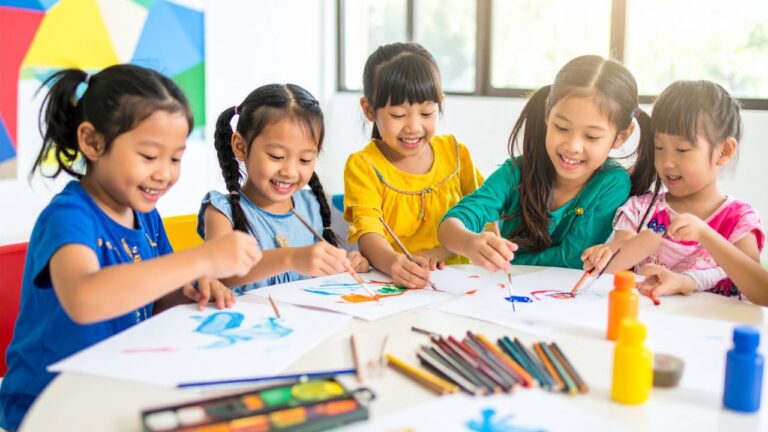
Arts and crafts let children express themselves creatively and communicate emotions in non-verbal ways. Activities like painting, making a photo album, or building a scrapbook help preserve memories and spark conversation.
Easy Craft Ideas:
- Family handprint canvas
- Photo memory book
- Seasonal decorations
6. Read Stories and Discuss Them
Reading before bed or after dinner fosters bonding and literacy. Asking questions about the story encourages children to think critically and share opinions.
Questions to Ask:
- “Why did the character do that?”
- “What would you do in their place?”
7. Teach and Learn New Skills Together
Learning new skills as a team — like gardening, DIY crafts, music, or chess — supports bonding and mutual respect. When parents learn alongside children, it communicates patience and encouragement.
Skill Ideas by Age:
- Younger kids: Simple weaving, finger knitting
- Tweens: Coding basics, guitar lessons
- Teens: Photography, cooking meals
8. Outdoor Adventures
Taking walks, hikes, or visits to local parks lets families unplug and enjoy nature. Outdoor activities reduce stress and encourage conversations in relaxed settings.
Outdoor Ideas:
- Nature scavenger hunts
- Picnic afternoons
- Rock painting
9. Build Traditions and Rituals
Create predictable traditions like Friday movie nights, Sunday pancake breakfasts, or yearly camping trips. Traditions provide structure and belonging children remember fondly.
Benefits of Rituals:
- Kids feel secure
- Builds family identity
- Encourages participation
10. Tech Time Together — Collaborative Digital Play
Instead of screens isolating family members, use digital tools to bond. Play co-op video games, build digital stories, or explore creative apps together to merge digital interests with quality time.
Tip: Limit competitive play if it causes frustration — focus on teamwork.
Parent-Child Bonding at a Glance
| Activity | Age Suitability | Primary Benefit |
|---|---|---|
| Play Games | All ages | Communication & fun |
| Baking Together | 4+ | Skill building & memory |
| Walk & Talk | All ages | Emotional sharing |
| Family Game Night | All ages | Unity & cooperation |
| Crafts | 3+ | Creativity & expression |
| Story Reading | Toddler to preteen | Literacy & closeness |
| Skill Learning | 6+ | Confidence & teamwork |
| Outdoor Adventures | All ages | Unplugged bonding |
| Traditions | All ages | Stability & belonging |
| Tech Play | 6+ | Shared interests |
The Importance of Consistency in Bonding
While the activities mentioned above are wonderful for strengthening the parent-child relationship, the key to successful bonding lies in consistency. It’s not about grand gestures, but rather small, daily moments that help reinforce emotional connections.
By making bonding activities a regular part of your routine — whether it’s a 10-minute walk after school or a weekly game night — you send a powerful message to your children: they are a priority in your life.
Consistency fosters trust and helps children feel secure, knowing that no matter how busy life gets, they can always count on spending quality time with you. This sense of reliability is essential for building a strong and lasting relationship.
Bonding with your kids doesn’t require perfect plans or hours of free time.
What matters most is intentional, enjoyable, and consistent interaction. Whether through play, conversation, shared meals, or outdoor adventures, these 10 creative ways to bond offer parents reliable strategies to deepen connections, communicate openly, and nurture emotional well-being.
When families make time for each other — even in small moments — they create memories and relationships that last a lifetime.
FAQs
What is the most effective bonding activity for kids?
The most effective activity is one that encourages communication and shared joy. Games, walks, or creative projects where children lead and express themselves are especially impactful.
How much time should parents spend bonding daily?
Even 15–30 minutes of focused, undistracted time daily can strengthen bonds significantly. Short routine moments like bedtime chats or walks are powerful when consistent.
Can technology help in bonding with kids?
Yes, when used collaboratively — such as co-playing games or exploring creative apps together — technology can enhance connection without replacing face-to-face interaction.
How To Help Your Child Overcome Anxiety
 Mia
Mia

The Power Of Positive Reinforcement In Parenting
Mia

Balancing Work And Parenting: Tips For Busy Moms And Dads
Mia

How To Raise Resilient Children- Key Parenting Tips
 sva
sva

Why Routine Is Important For Kids’ Development
sva

How To Discipline Your Child Without Punishment
sva